Environmental Management
Water Management
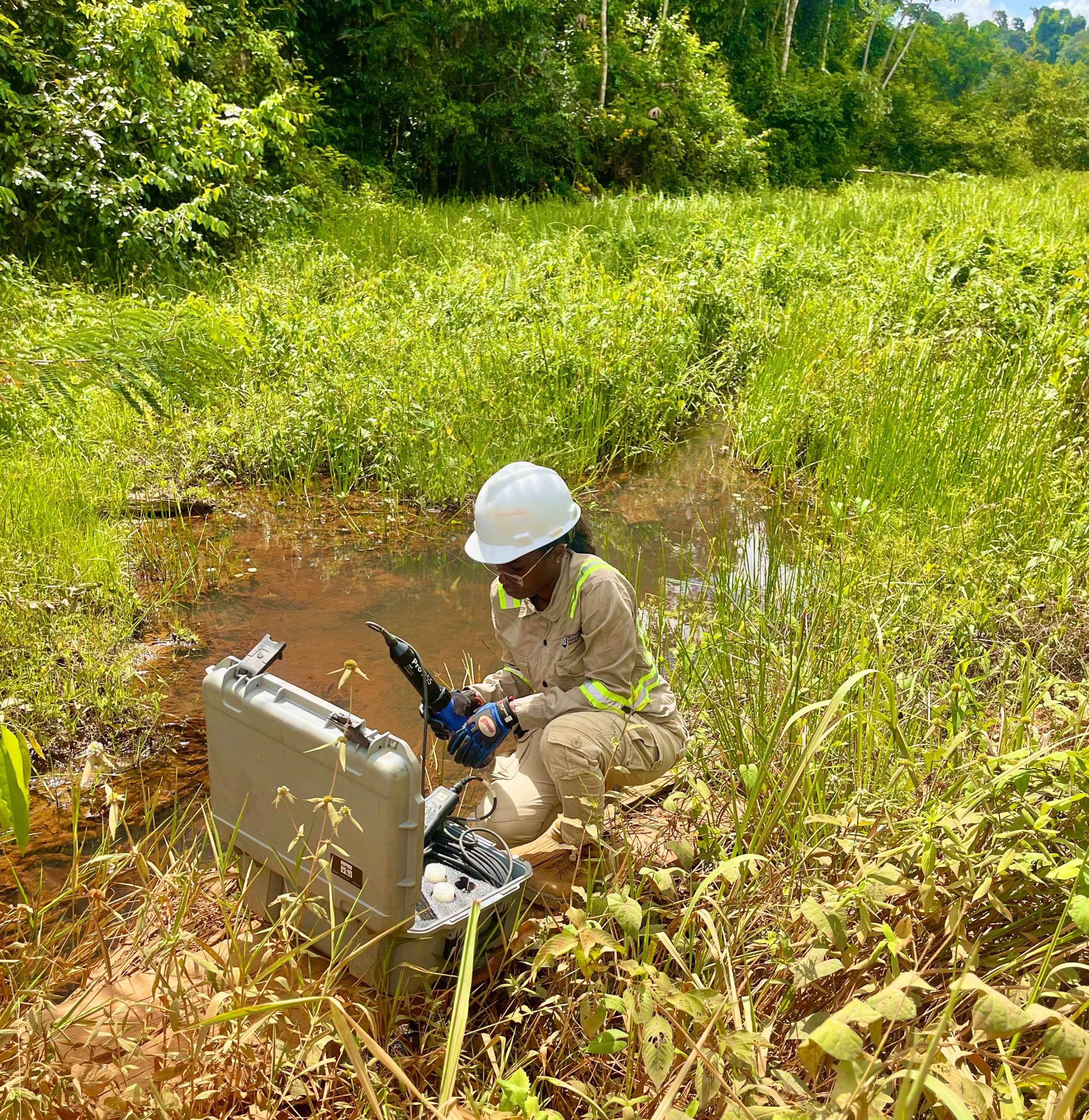
Water is a shared resource, essential to our operations and vital to surrounding communities. We manage water with the utmost respect — safeguarding quality, using it responsibly, and continuously improving how we protect local ecosystems.
GMIN manages water responsibly across all projects and operations, ensuring compliance with permits, protecting water quality, and prioritizing efficient use.
Guided by our Environmental Policy, we maintain site specific Water Management Plans that consider water quality and quantity, including regular monitoring of surface water, groundwater, and effluent discharges to identify and mitigate risks to water quality and ecosystem health. Our operational strategy prioritizes reducing freshwater withdrawal, maximizing water reuse and recycling, and ensuring all discharges comply with applicable regulations.
Climate Change
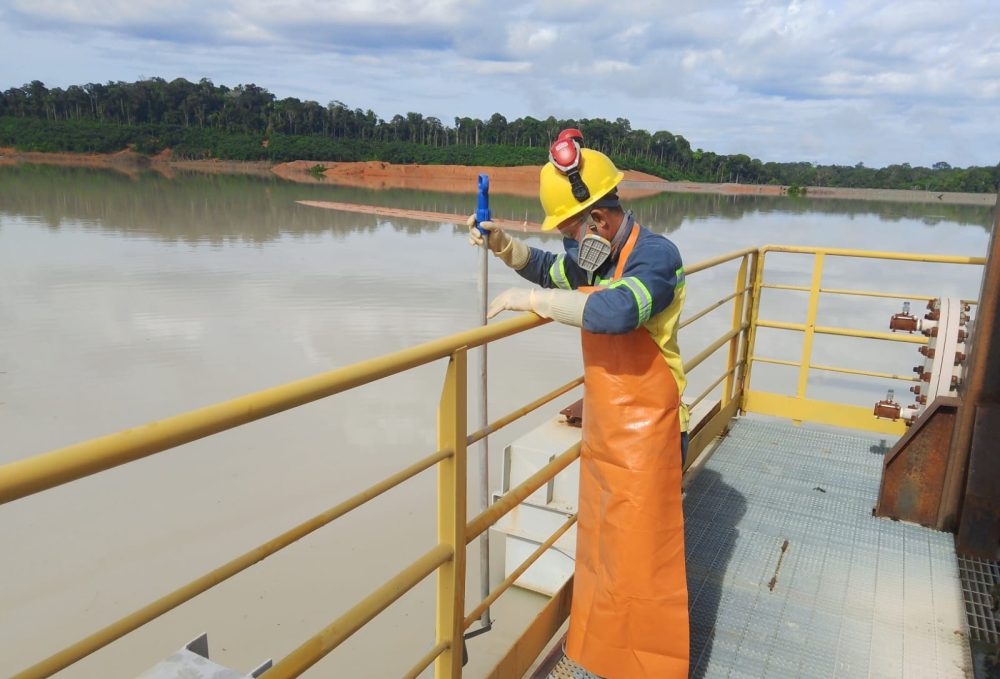
We recognize our role in addressing climate change and are committed to doing our part to meet this global challenge, while ensuring our operations remain resilient in a changing world.
At GMIN, we follow a structured approach based on the Greenhouse Gas Protocol, covering Scope 1 and Scope 2 emissions and progressively expanding to Scope 3. Our climate strategy aligns with the broader goal of transitioning toward a low-carbon economy.
In 2025, we completed our full GHG inventory under the GHG Protocol, covering Scopes 1, 2, and 3 across our three assets. Our total emissions amounted to 265,685 tCO₂e, representing a 328% increase compared with 61,983 tCO₂e in 2024 on a consistent-boundary basis. This increase was mainly driven by three factors: a full year of production at TZ Mine, the start of construction activities at Oko West, and the expansion of mine infrastructure at TZ Mine, which required the clearing of 73 hectares of land.
We continue to strengthen our emissions accounting and improve performance where operationally feasible, including through reduced diesel reliance, improved waste segregation, and lower business travel emissions in 2025.
Biodiversity and Land Management
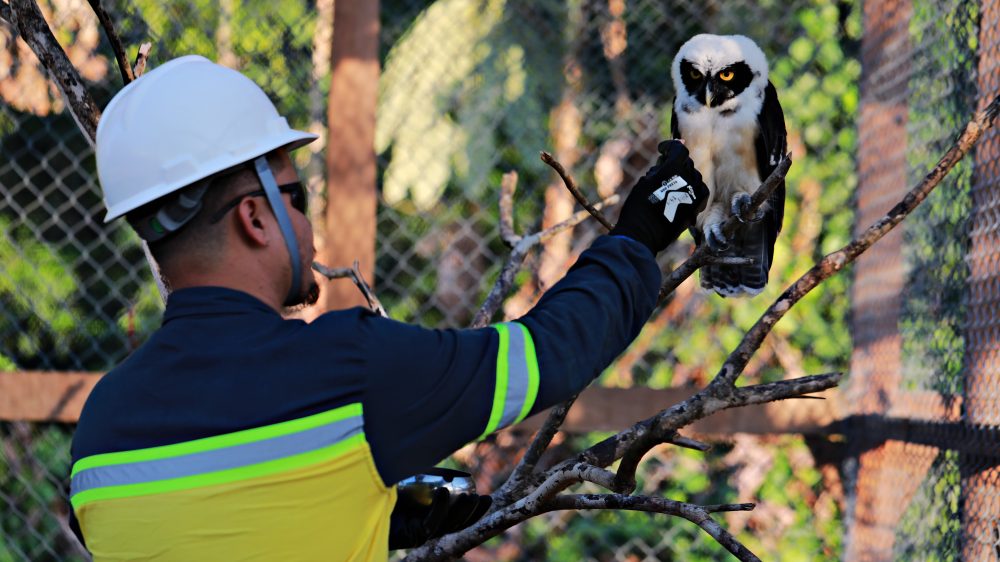
We are privileged to operate in biodiverse regions of the Amazon and Guyana Shield. Protecting ecosystems and supporting the natural environment is central to how we work. We design our operations to minimize impacts and restore habitats wherever possible.
GMIN’s biodiversity programs focus on ecosystem integrity, species conservation, and rehabilitation of disturbed areas. At both Tocantinzinho Mine and Oko Gold Project we have comprehensive Biodiversity Management Plans focusing on the protection of wildlife and rehabilitation of impacted areas.
Tailings and Waste Management
At GMIN, we recognize that responsible tailings and waste management are critical to protecting our workforce and community safety and ensuring environmental integrity.
Our approach is guided by our Environmental Policy, Occupational Health and Safety Policy, Social and Community Policy, and our Tailings Management Policy. Our Waste Management Programs adhere to the Global Industry Standard on Tailings Management, the International, MAC TSM’s Tailings Management Protocol, Cyanide Management Code, and comply with all applicable local regulations.
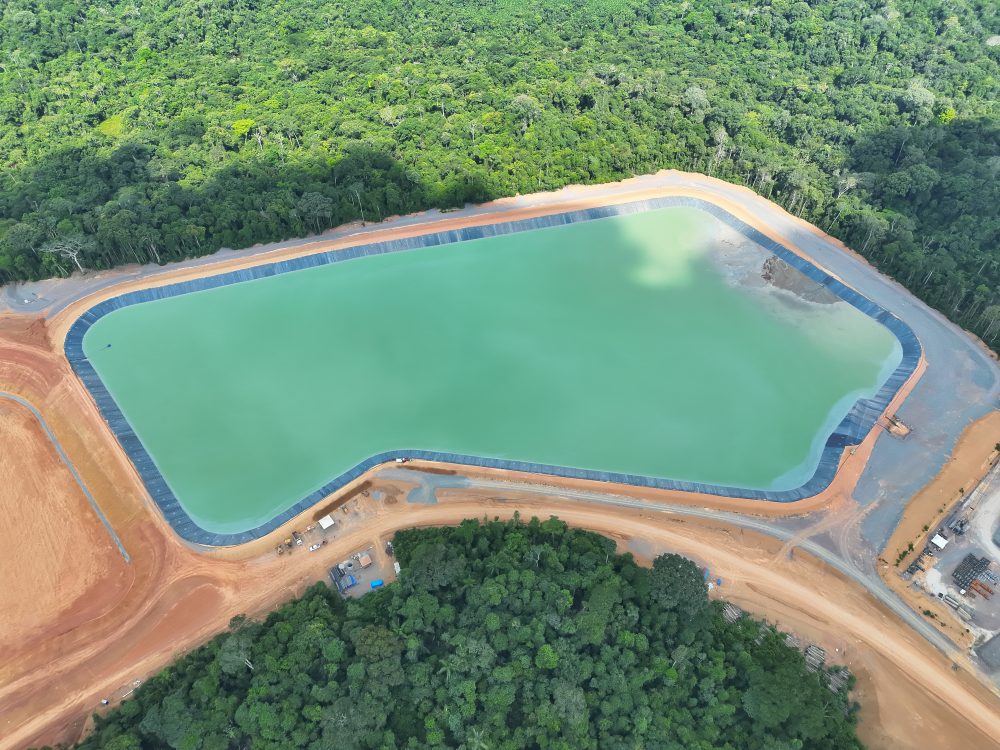
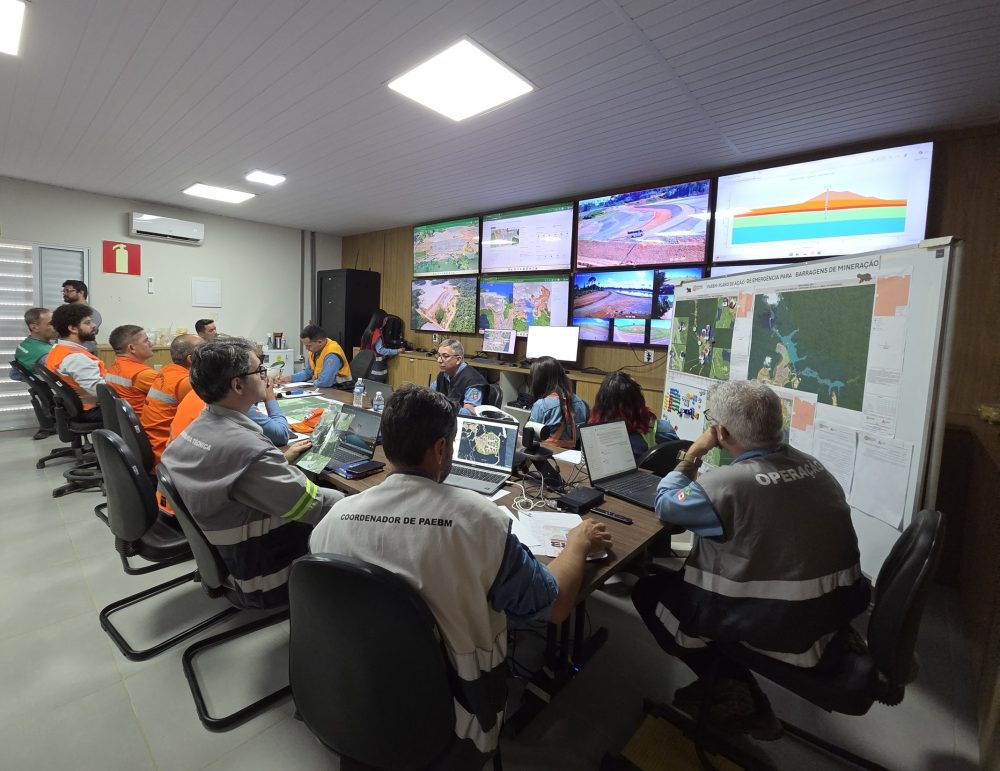
Our tailings management program incorporates comprehensive geotechnical assessments, environmental monitoring systems, and emergency preparedness protocols. We operate two primary tailings structures with strict engineering controls ensuring structural integrity and environmental protection.
Key Features:
- Continuous monitoring using piezometers and water level meters
- Independent third-party integrity assessments
- Emergency Response Plan
- Risk assessment using Analysis of Failure Modes methodology
We maintain transparent communication with local communities regarding tailings management, including regular updates through our Community Relations Program. Emergency Preparedness plans are developed in consultation with local authorities and communities.
Tailings Governance
Our governance framework for managing our tailings structures includes clear accountability and independent oversight. The Accountable Executive holds ultimate responsibility for tailings safety, while the Responsible Tailings Facility Engineer oversees daily operations, monitoring, inspections, and compliance at TZ Mine. The Engineer of Record provides design and performance assessments, and an Independent Tailings Review Board conducts annual reviews to support continuous improvement and technical assurance.
Mineral Waste
In 2025, TZ Mine generated 8,266,444 tonnes of tailings and 12,406,508 tonnes of waste rock. These figures represent an increase over 2024 (7,239,290 t of tailings and 5,566,912 t of waste rock), which primarily reflects the difference in reporting period: TZ Mine achieved commercial production in June 2024 and the 2024 figures cover approximately six months of output, while 2025 represents a full calendar year at steady state operating capacity. The year-on-year volume increase is consistent with the mine’s planned production profile. As of 31 December 2025, 5,718,590 tonnes of tailings were stored in the FTSF and 152,953 tonnes in CTSF1. CTSF2 had not yet received tailings.
Hazardous Materials
We handle hazardous materials with rigorous controls to ensure the safety of people and the environment.
We are signatory of the International Cyanide Management Code (ICMC) and are working to achieve full compliance by the end of 2026, ensuring safe handling, transport, and processing of cyanide.
Current Status: 62% of substantial and/or full compliance with ICMC achieved in 2025, with external audit scheduled for January 2027 to achieve full certification.
Databook & Reports
Sustainability Reports
Transparency builds trust. We publish sustainability reports annually to share our ESG performance, progress, and challenges openly with stakeholders.
ESG Databook
For detailed information on our ESG metrics, please reference our data book.