The project’s overview
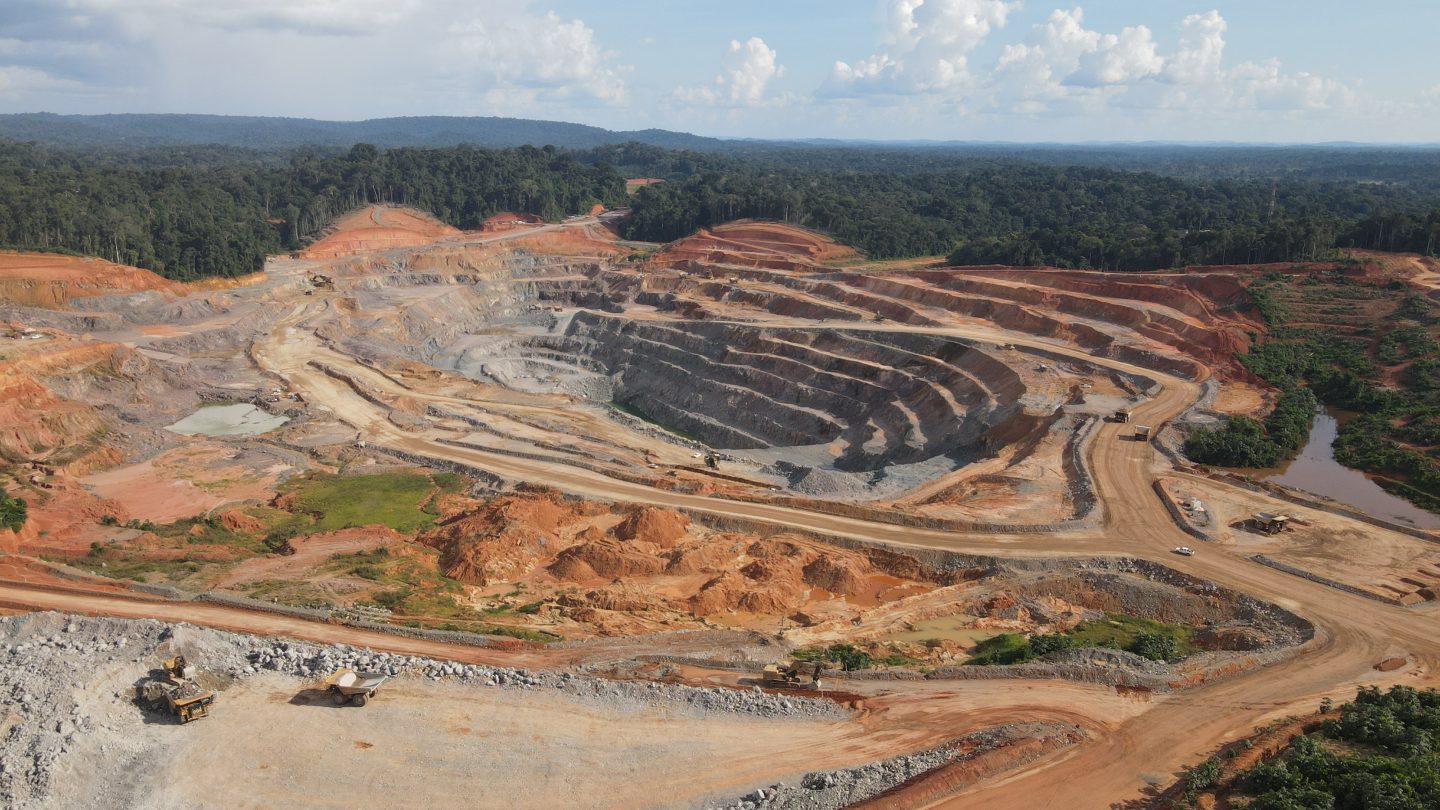
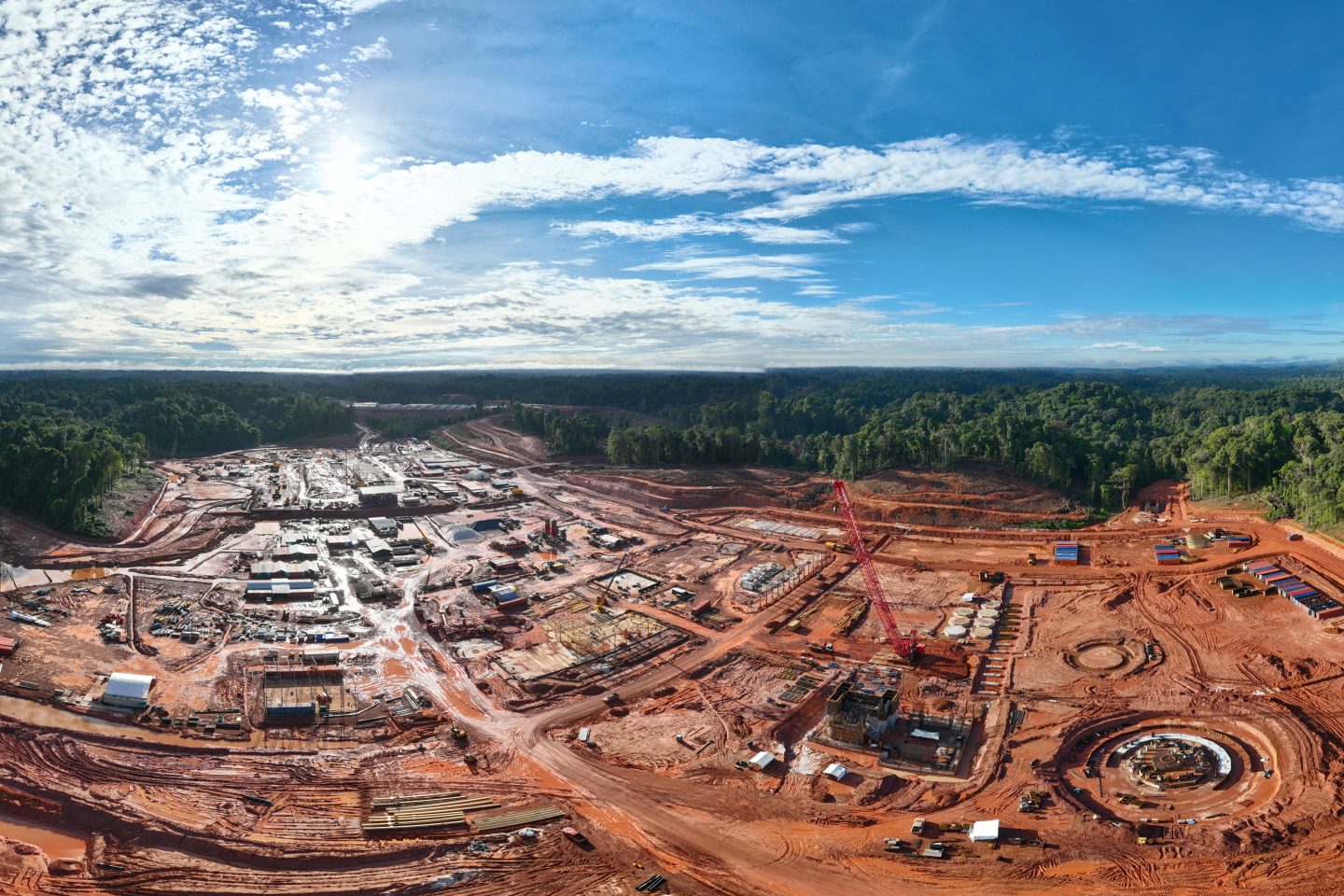
Gurupi Project is a district-scale gold project located in northeastern Brazil across a 1,900 km² land package, consisting of three known open-pit deposits, Blanket, Contact, and Chega Tudo, along an 80 km mineralized trend. This high-potential, underexplored gold exploration asset in Maranhão offers significant resource expansion and new discovery opportunities.
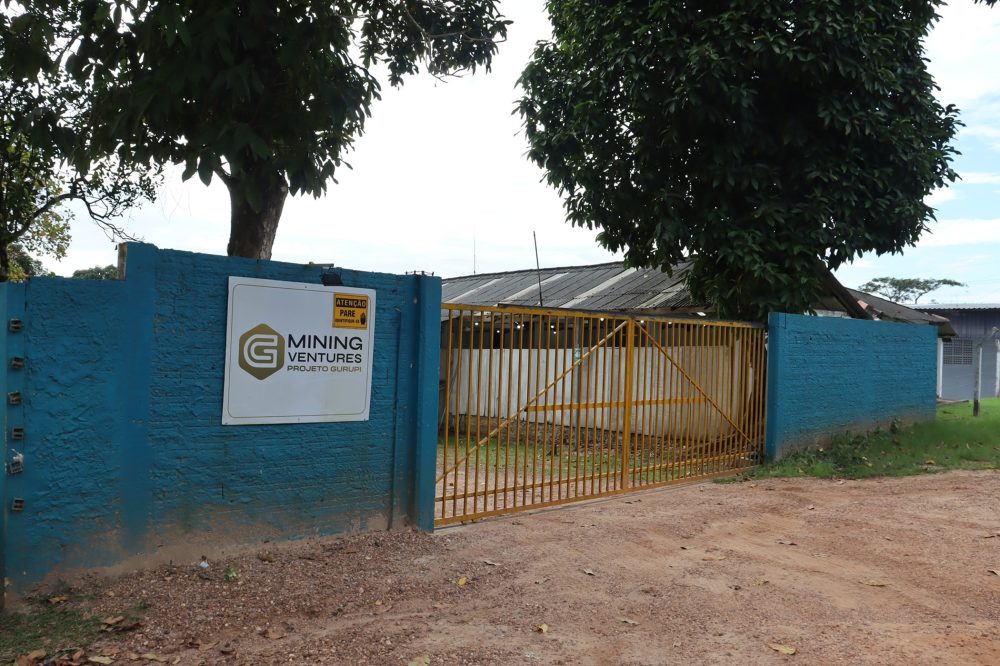
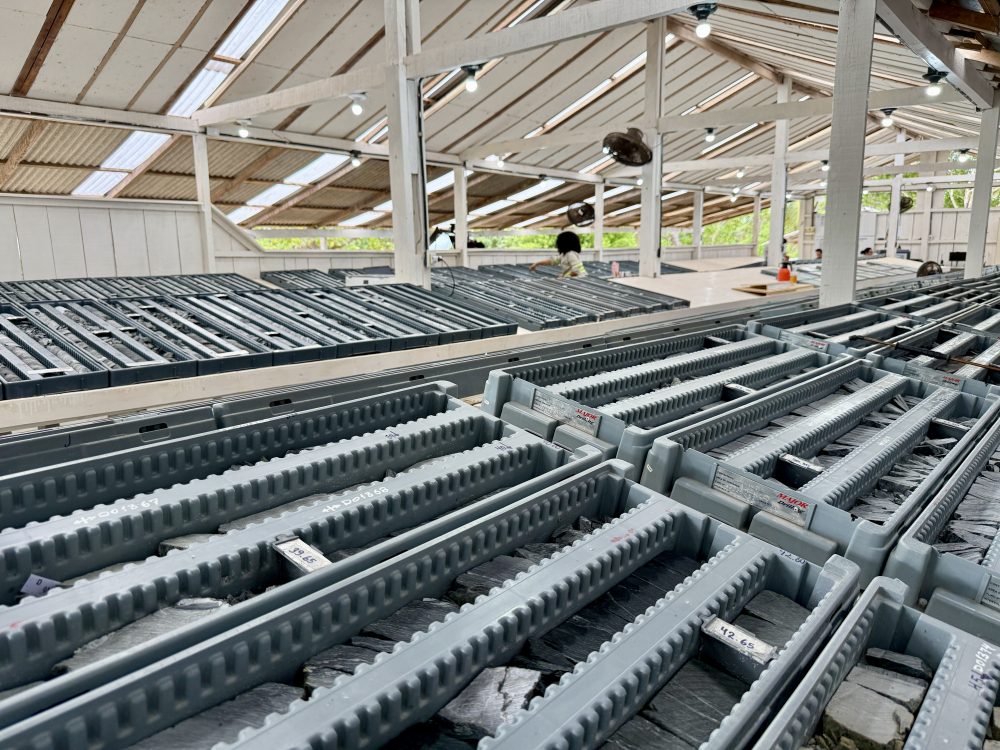
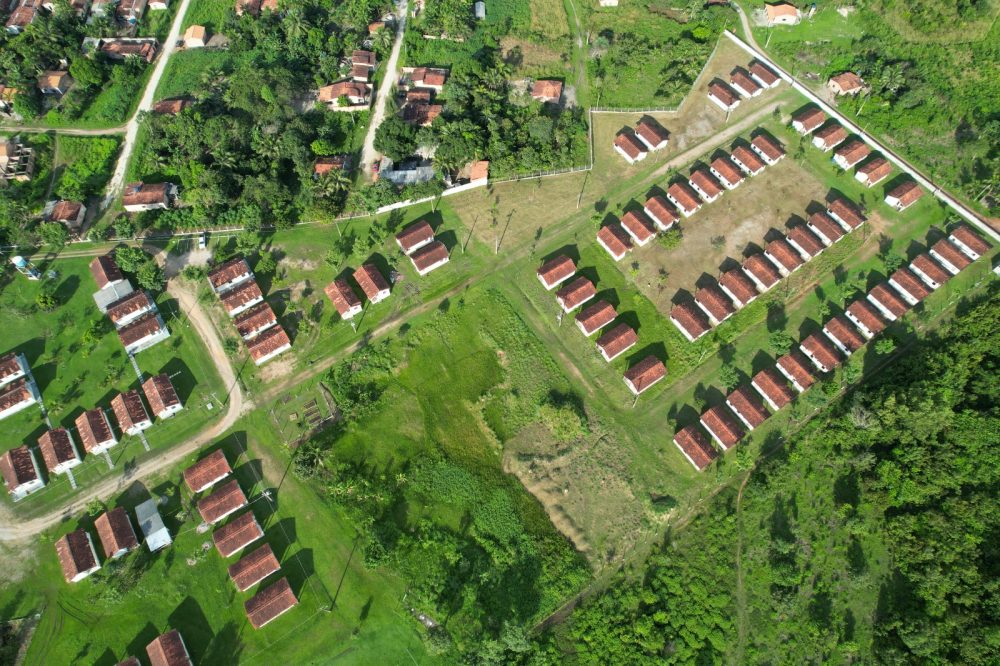
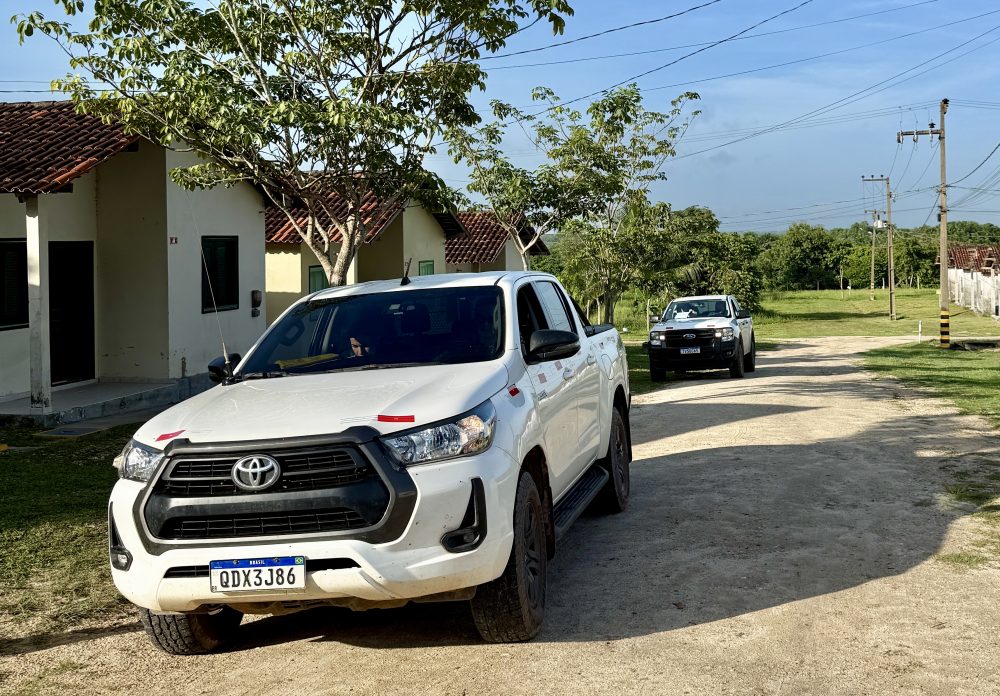
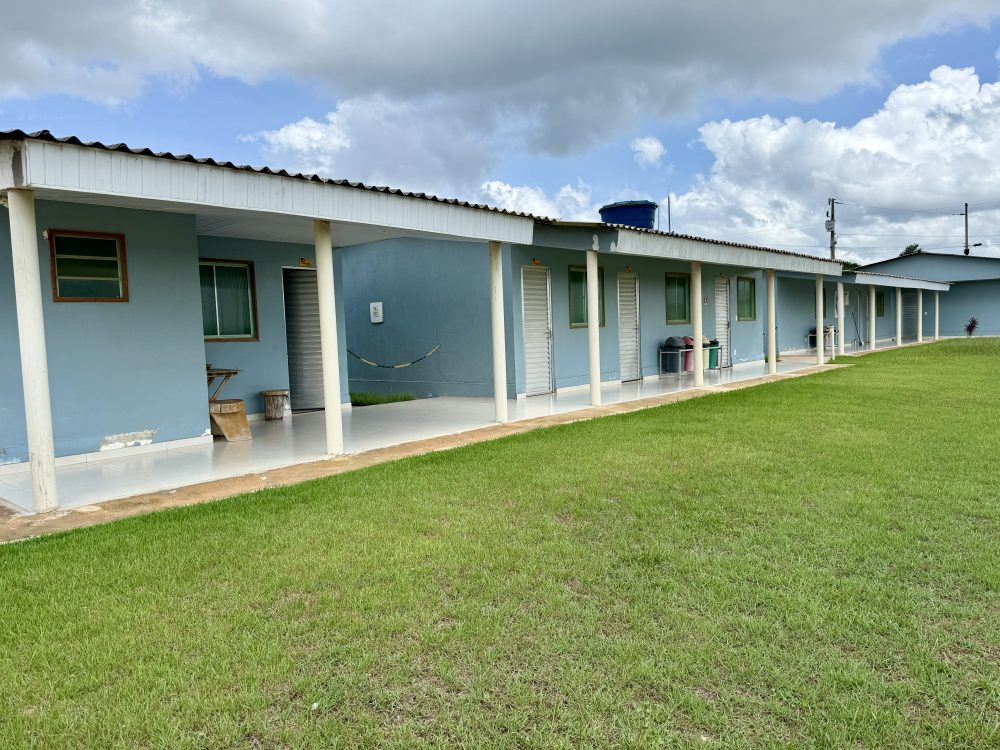
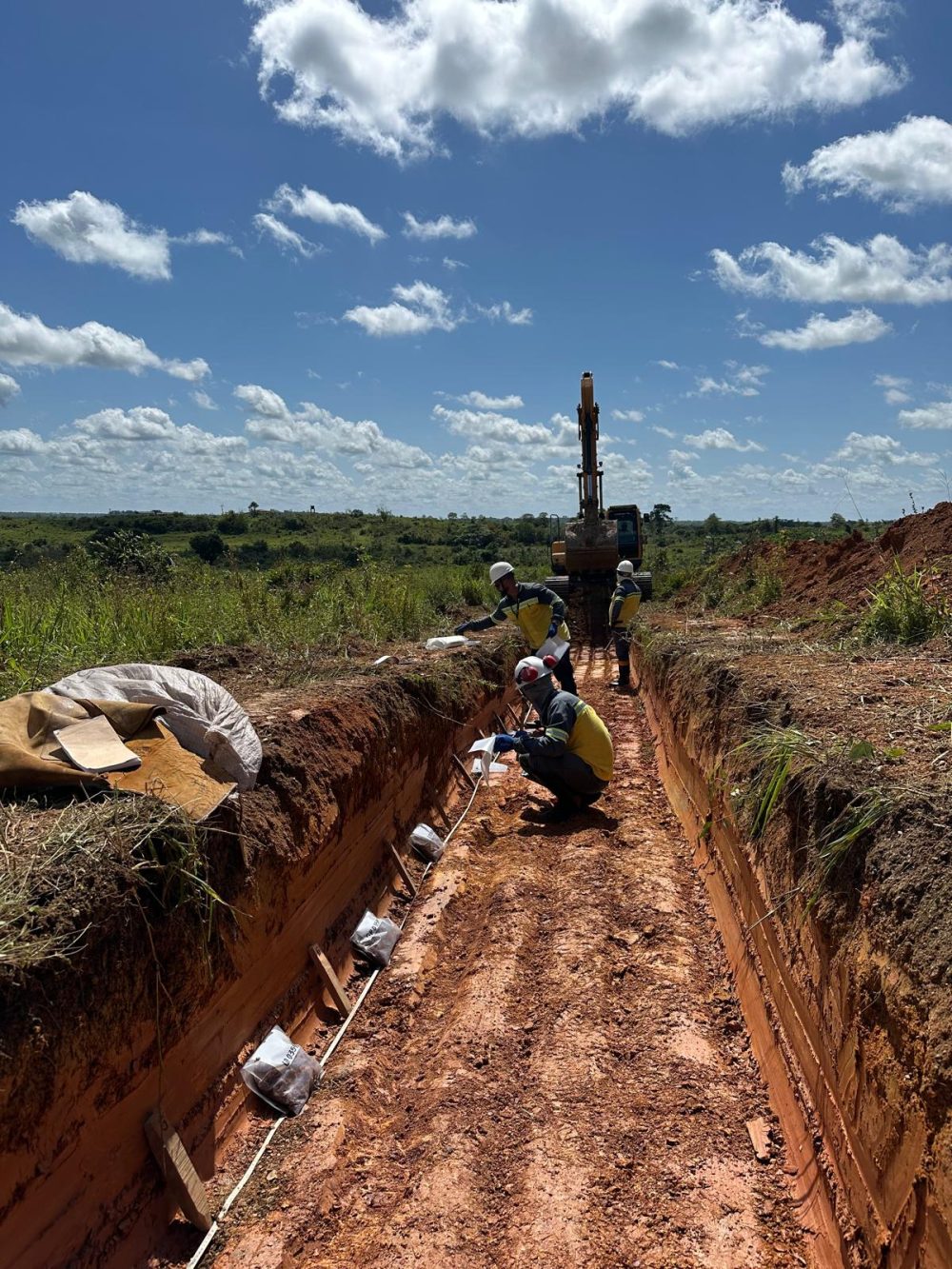
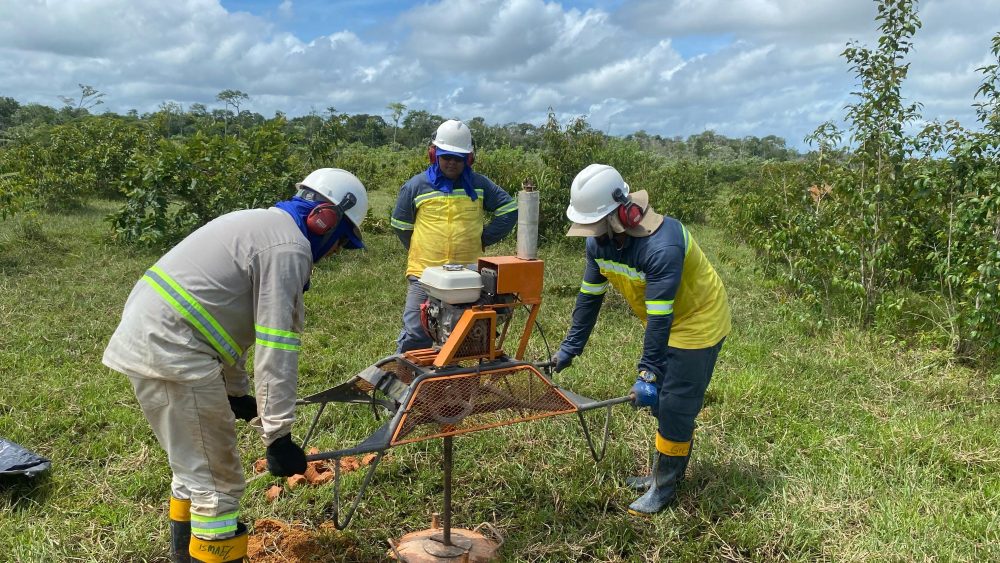
About the project
Location
The Gurupi Project comprises 47 contiguous tenements across a 1,900 km² land package straddling Pará & Maranhão State, Brazil. The Project is located approximately 380 km southeast of Belém, capital of the State of Pará, and 500 km west northwest of São Luis, capital of the State of Maranhão.
Geology & Mineralization
The Gurupi Project lies within the Tentugal shear zone developed along the boundary between the Lower Proterozoic Gurupi greenstone belt and the southwestern margin of the Archaean São Luis craton. The Tentugal Shear Zone is a major sinistral strike-slip corridor approximately 15–30 km wide and 120 km long.
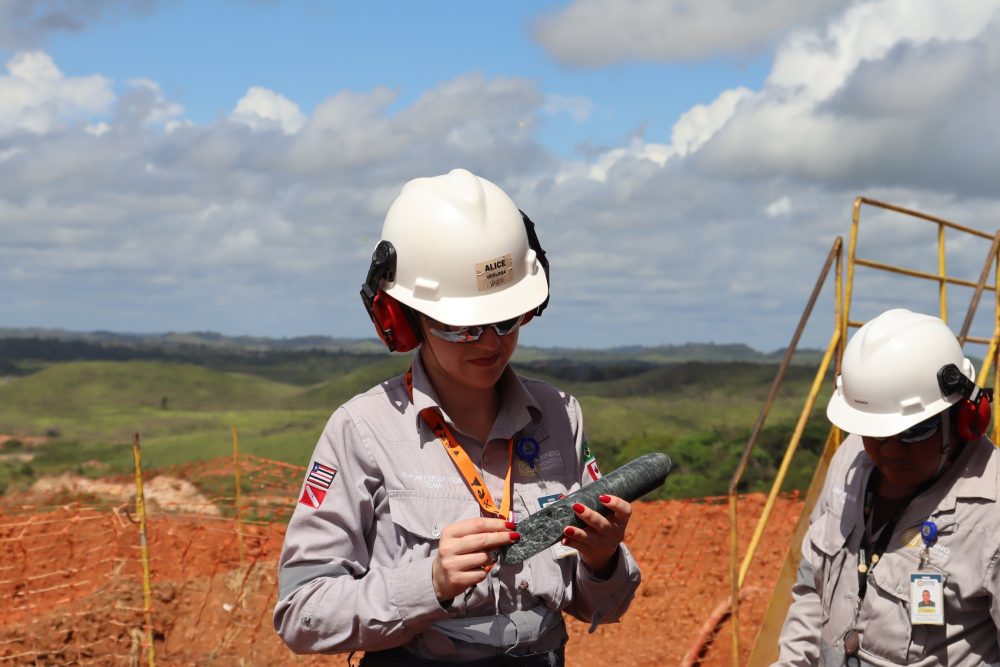
The Gurupi Project includes three main mineralized zones: the Blanket and Contact deposits within the Cipoeiro area, and the Chega Tudo deposit, located approximately 8 km to the west. Gold at Cipoeiro is hosted within coarse-grained tonalite of the Tromaí Intrusive Suite, whereas at Chega Tudo, the host is the volcano-sedimentary package of the Chega Tudo Formation. Mineralization is structurally controlled, localized along brittle shear zones and fractures parallel to the Tentugal Shear Zone, where brittle deformation, shearing, and folding created pathways for mineralizing fluids.
Mineralization occurs in quartz–carbonate–sulfide veins and as disseminated pyrite within altered host rocks. The associated alteration assemblage is characterized by silicification, carbonatization, and sulfidation, consistent with orogenic gold system processes.
Overall, the Gurupi Project represents a large-scale orogenic gold system, where deformation, fluid flow, and reactive host rocks collectively controlled the distribution of gold mineralization along the Tentugal structural corridor.
History
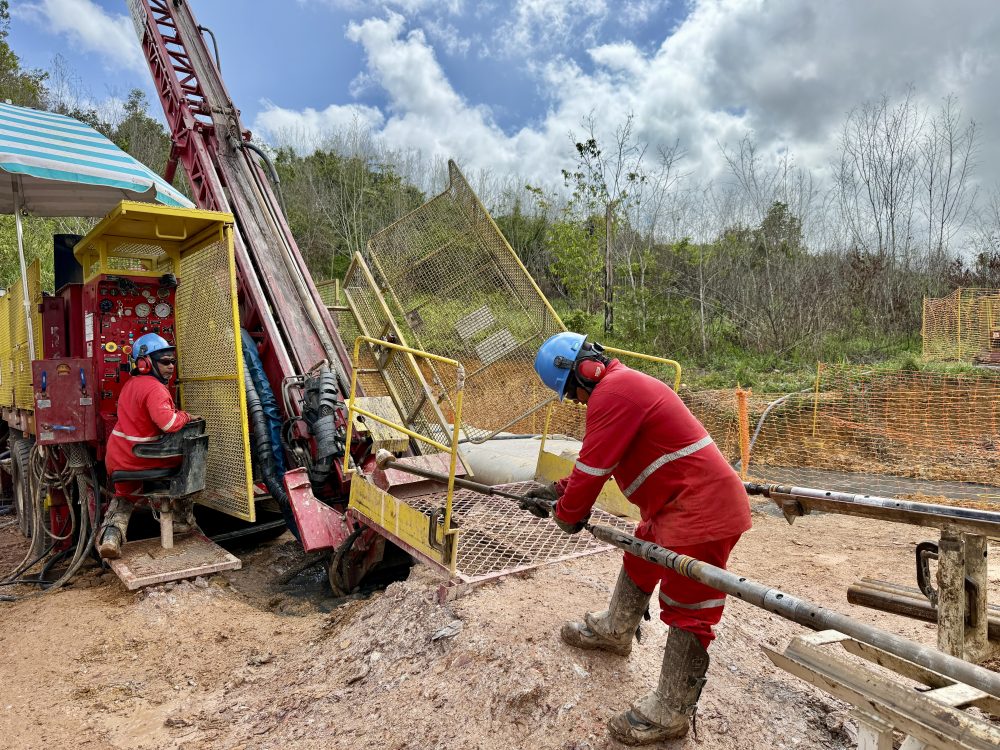
Exploration at the Gurupi Project (formerly CentroGold) began in the 1980s when Vale and other operators identified multiple gold occurrences along the 80 km mineralized trend. By the late 1990s and early 2000s, over 126,000 meters of drilling defined key deposits. Luna Gold Corp. acquired the project in 2007, expanding drilling efforts and establishing a JORC-compliant resource. OZ Minerals took over in 2016 after acquiring Avanco Resources, advancing studies and drilling. In 2019, OZ Minerals completed a Pre-Feasibility Study (PFS), contemplating a high-margin open-pit gold mine in Maranhão, Brazil. GMIN acquired Gurupi from BHP in Q4-2024 in exchange for a 1.0% NSR royalty on the first 1 Moz of gold produced at the tenements and a 1.5% NSR royalty on gold production thereafter. A new NI 43-101 mineral resource estimate was released in Q1-2025.