The mine’s overview
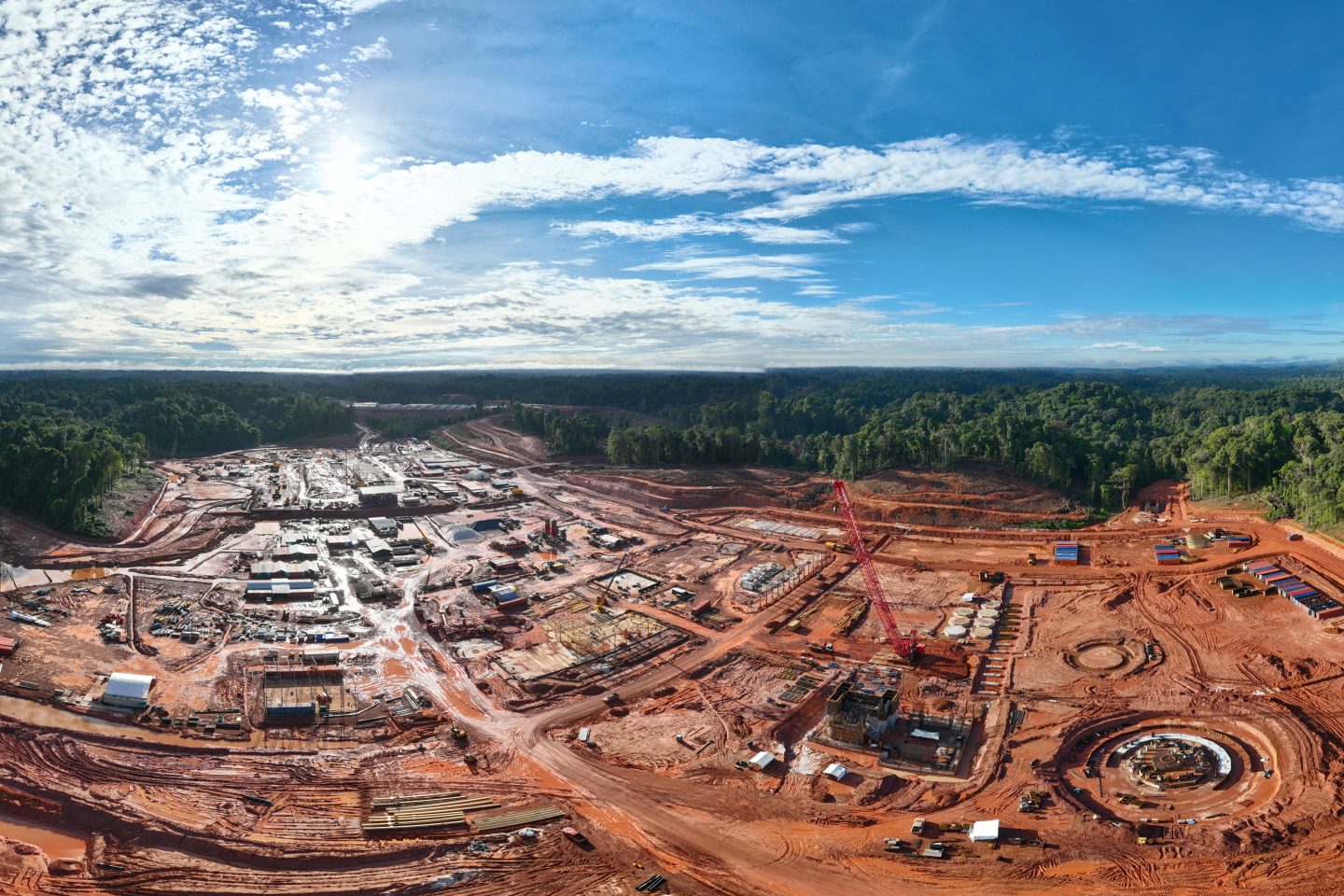
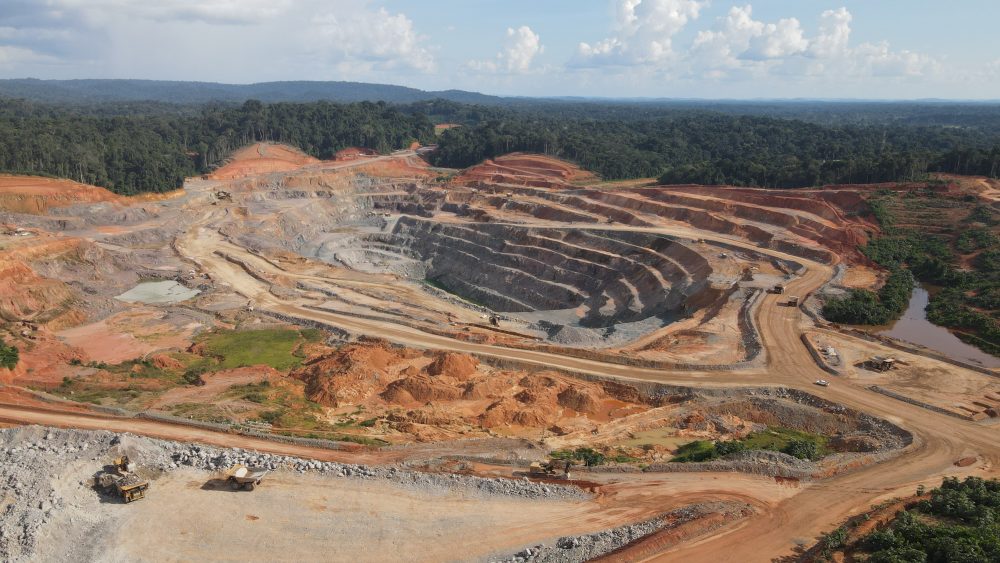
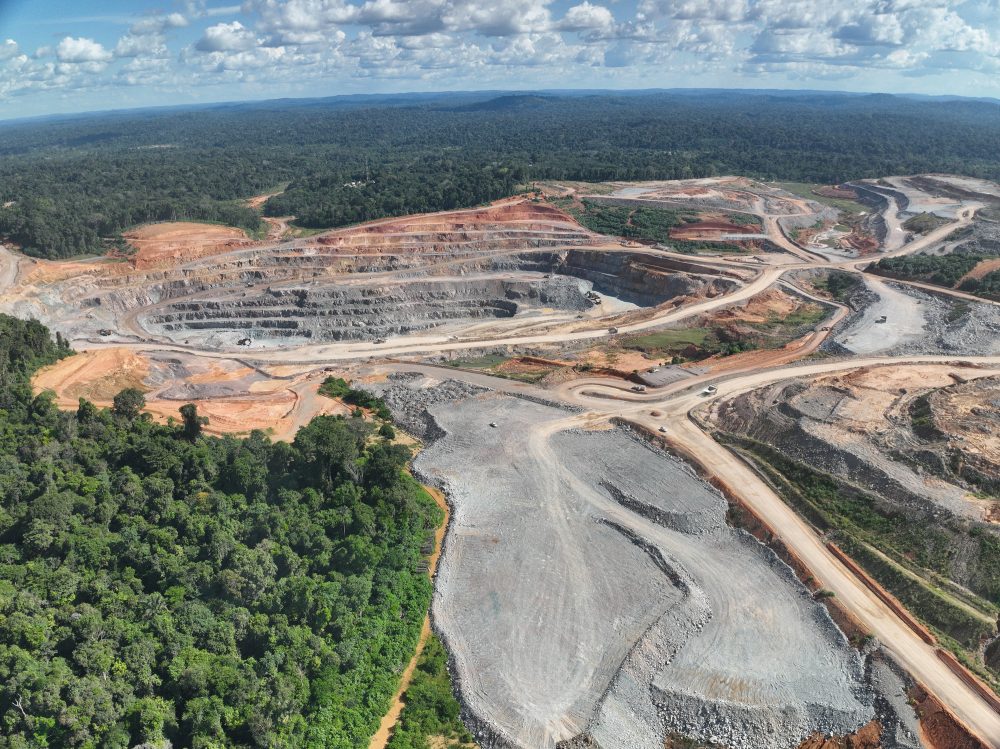
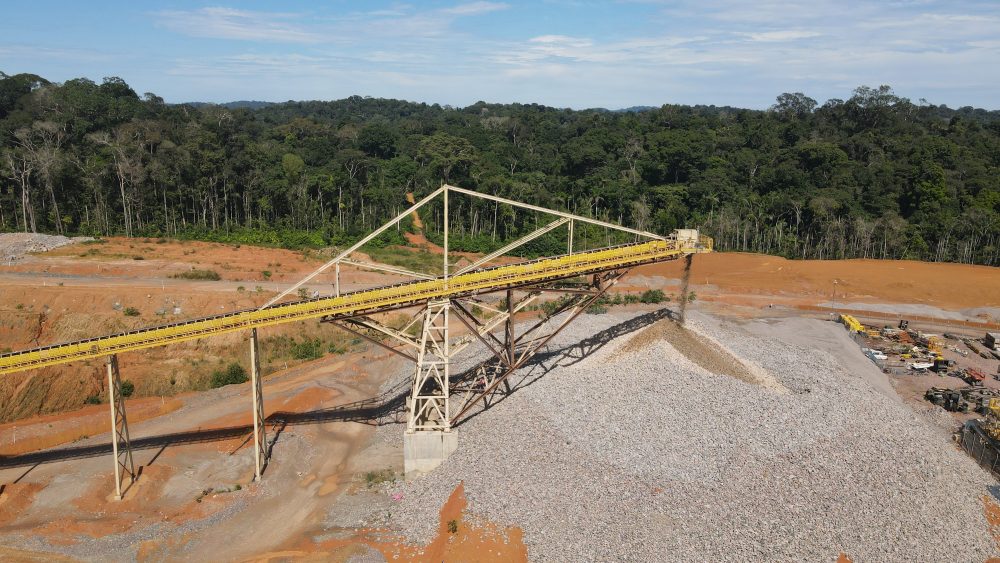
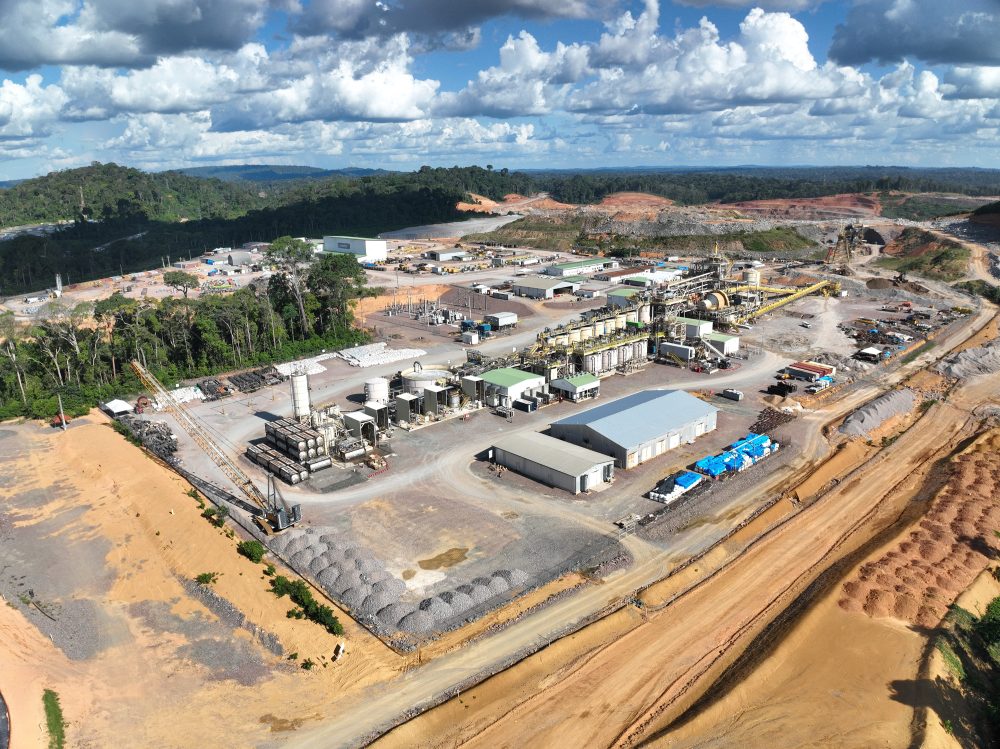
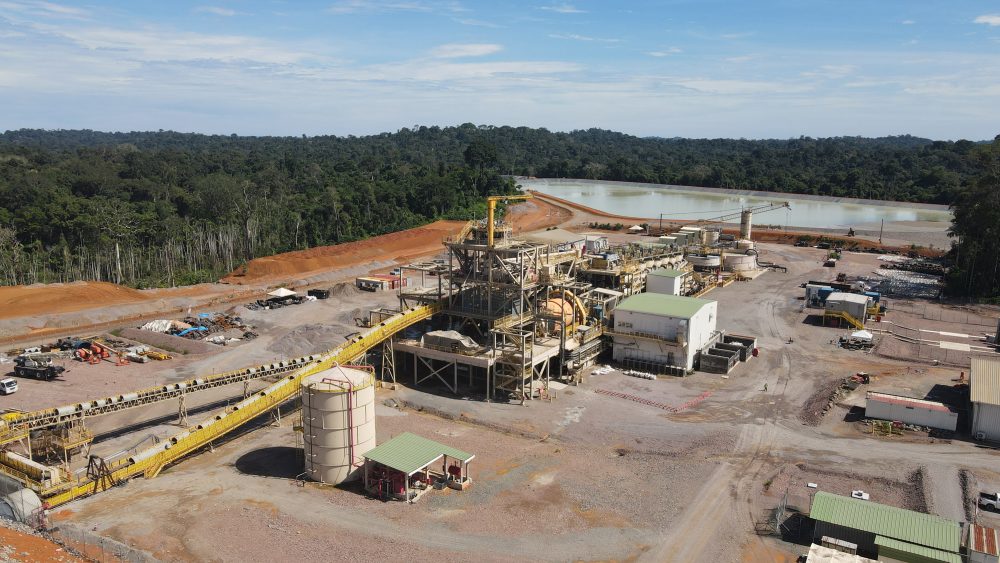
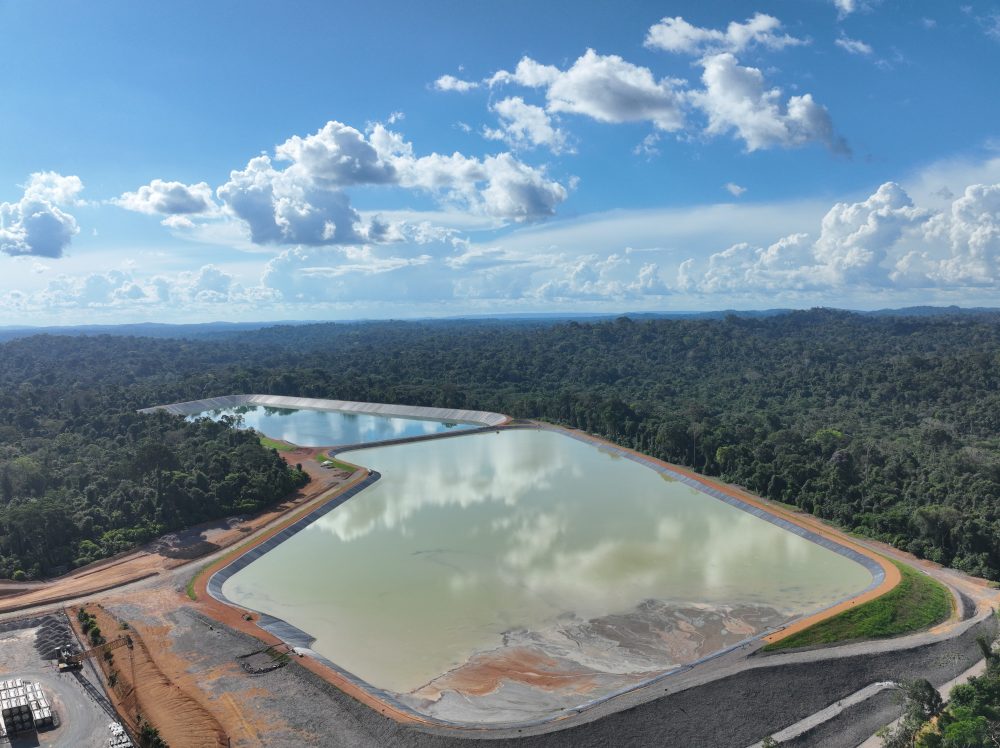
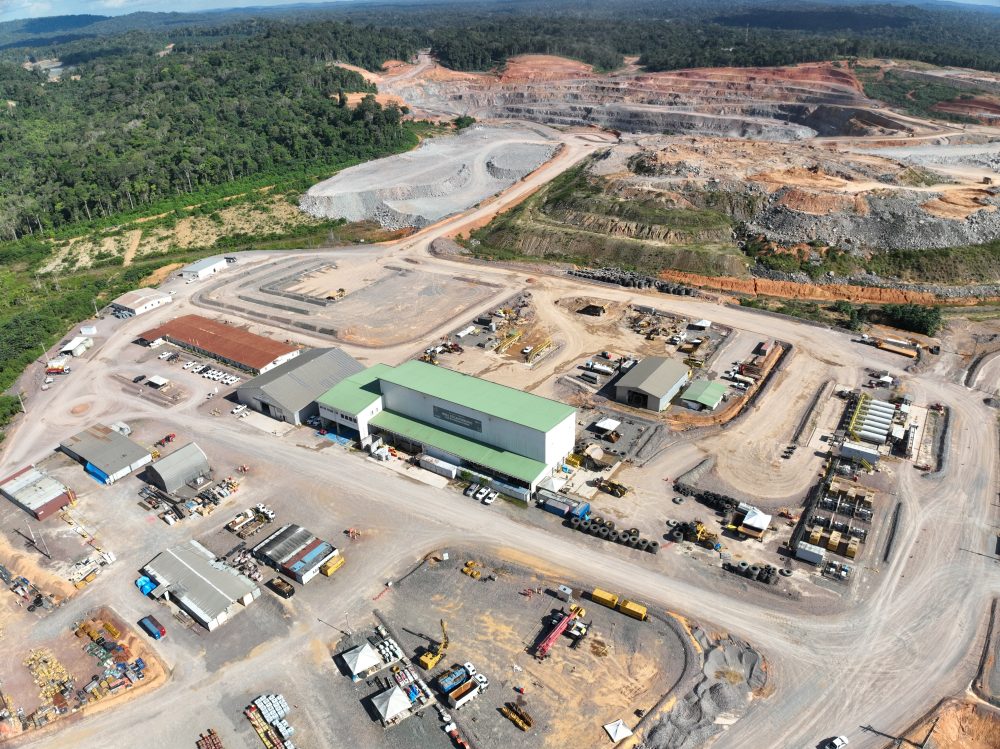
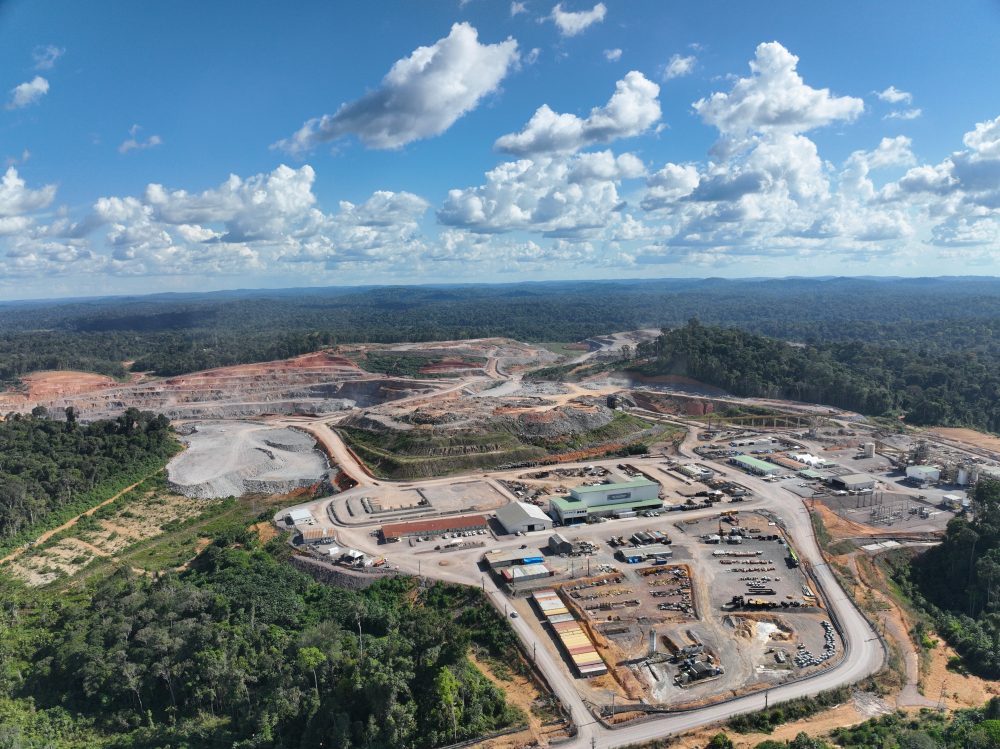
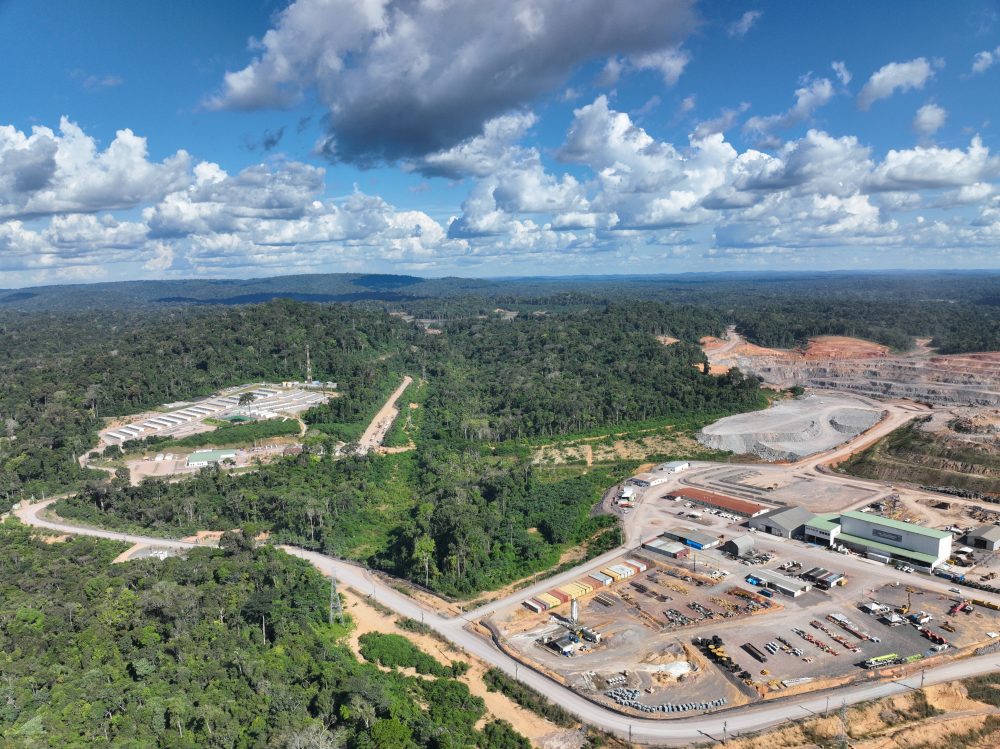
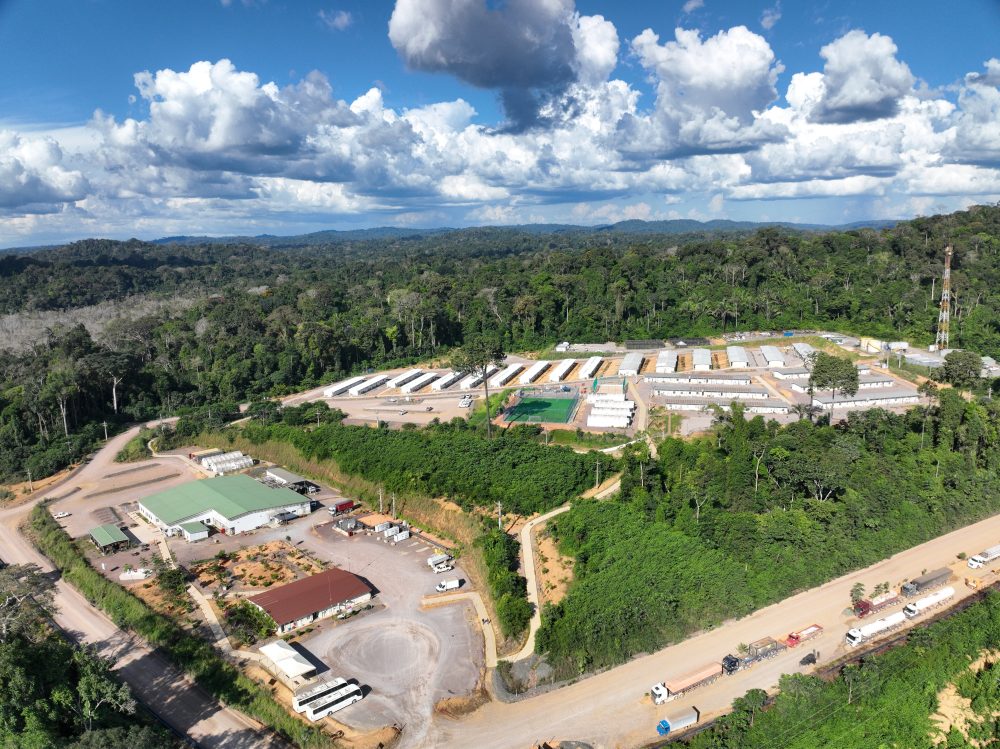
Tocantinzinho is an open-pit gold mine in Pará State, Brazil. The mine started commercial production in September 2024, after two years of construction. G Mining TZ currently has an estimated remaining mine life of approximately 11 years with average annual gold production of 155,000 oz.
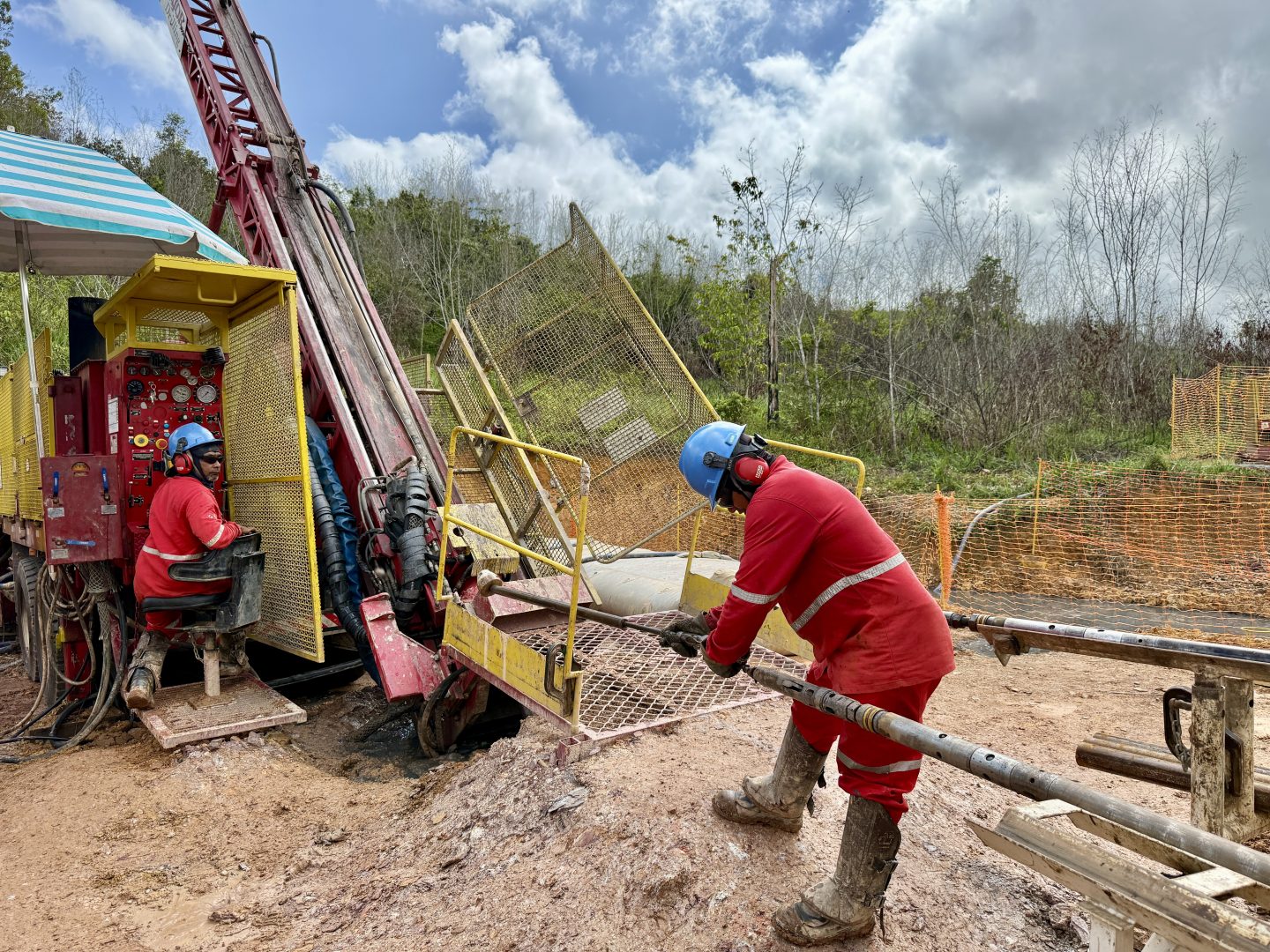
The existing deposit with 1.96 million ounces of known reserves is located within a large, underexplored land package with exploration potential that may yield satellite mineralized bodies. This 688 km² property has direct access via 100 km of all-weather roads starting from the national highway, linking the industries in southern Brazil to the city of Belem in the north.
2025 Performance
171,871 oz gold
Production
4,086 kt
Ore Tonnes Mined
$748/oz gold
Total Cash Costs*
$1,155/oz gold
AISC*
*These measures are non-IFRS financial measures. Refer to section “Non-IFRS Financial Performance Measures” in the associated MD&A for further information and a detailed reconciliation to comparable IFRS measures.
About the mine
Location
Tocantinzinho is located in the Tapajós Gold Province, approximately 200 km south-southwest of the city of Itaituba, 100 km from the Morais de Almeida district, and 1,150 km southwest of Belém, the capital city of Pará State.
The mine draws on Itaituba as the local centre for services and supplies, and the city is accessible by the BR-163 highway. A 72 km municipal road connects the Project site to the Transgarimpeira state road (BR-230). There is a 775-m airstrip at the site.
Geology & Mineralization
The Tocantinzinho Gold Deposit is located in the south-central Amazon Craton of Brazil, within Pará State. It is hosted in a suite of fractionated Paleoproterozoic granitic rocks, including quartz monzonite, syenite, alkali feldspar granite, granite, and aplite.
Gold mineralization at Tocantinzinho is typical of intrusion-related gold systems and is spatially associated with a major northwest-trending regional fault zone that controlled the emplacement of multiphase intrusions and gold-bearing zones.
Mineralization occurs as fine, irregular networks of quartz, black chlorite, sulfides (pyrite, molybdenite, chalcopyrite), and calcite veinlets that commonly follow grain boundaries. Their irregular, wormy textures indicate formation during the late crystallization stages of the host granite.
The deposit displays distinctive magmatic–hydrothermal transition textures, including unidirectional solidification textures, interconnected miarolitic textures (IMT), rapid grain-size variations from pegmatite to aplite, and vein-dyke structures. Two main rock types host most of the ore: the “Smokey” granite, a pale pink-grey equigranular to coarse-grained unit found mainly at the core of the deposit, and the “Salami” granite, a pink to red alkali feldspar granite with a blebby IMT texture that commonly transitions into aplite–pegmatite zones.
History
Eldorado Gold Corp. (Eldorado) acquired the Tocantinzinho gold project from Canadian-listed Brazauro Resources Corporation for C$120 million in an all-share offer in 2010. Between 2011 and 2019, Eldorado completed a prefeasibility study (2011), received the approval of Preliminary Environment License (2012), completed the feasibility study (2015), received the Installation License (2017) and Mining Concession (2018) and completed an optimized feasibility study for Tocantinzinho (2019), investing over $90 million into the project.
GMIN acquired Tocantinzinho from Eldorado for $115 million in 2021. Over the next 12 months, the company, updated the feasibility study, secured $481 million to finance the mine construction and announced its decision to begin construction at Tocantinzinho. In 2024, GMIN declared commercial production at Tocantinzinho, achieving this milestone on time and on budget and in less than two years from beginning construction.
Technical Reports
VRIFY Presentation
Click through the VRIFY presentation below to explore the Tocantinzinho site.